




 Growth & Impact Strategist | Founder of Growth Forward Leadership & INAN Association





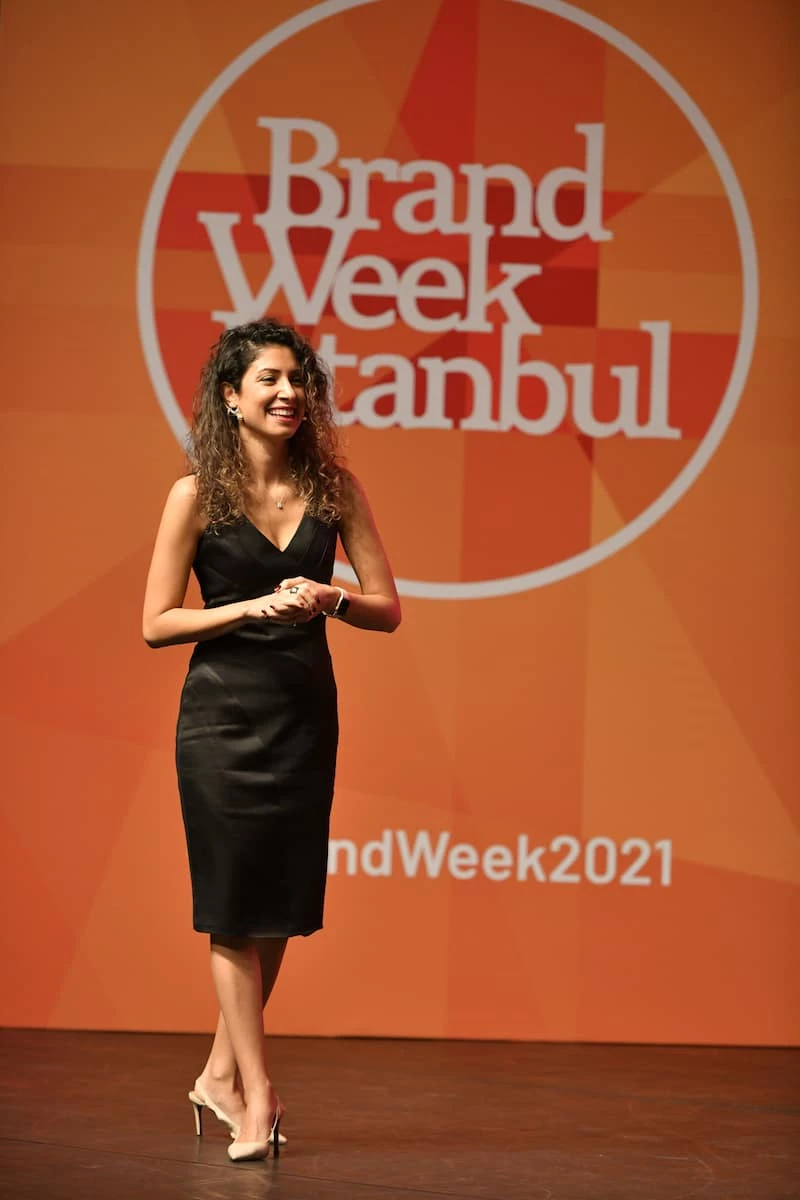
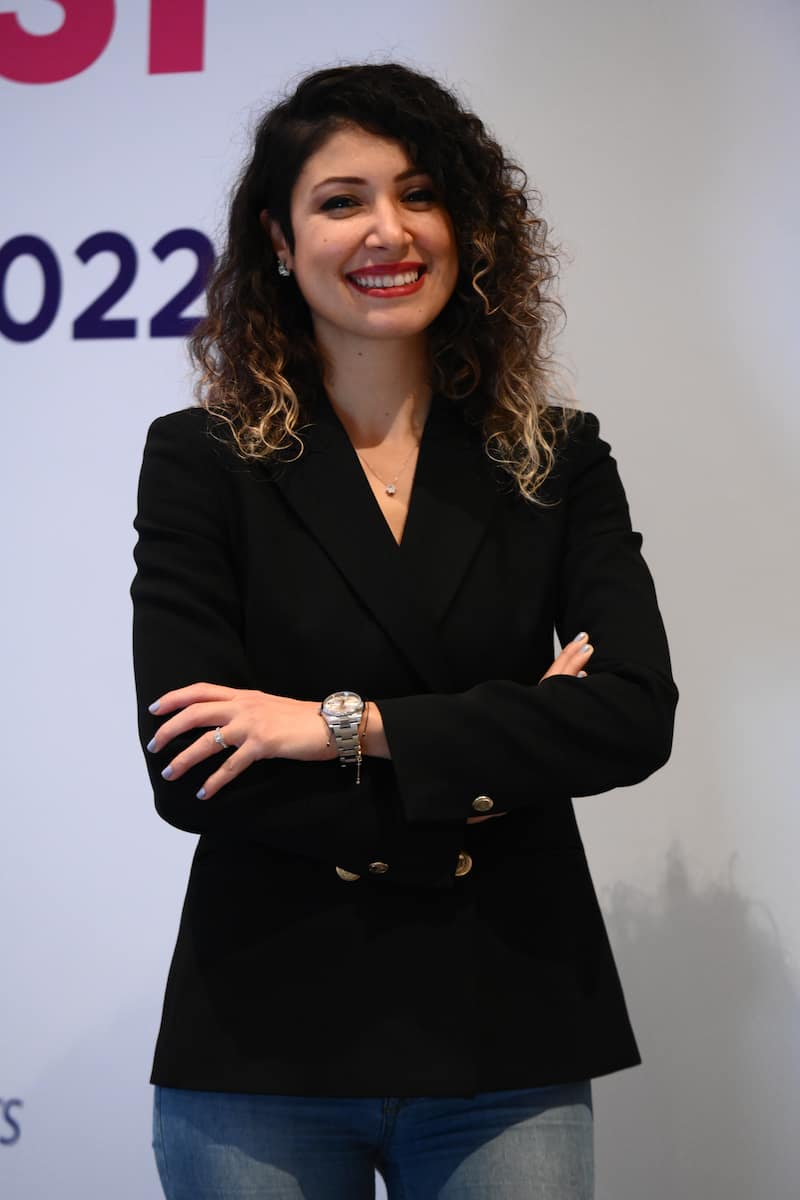




Technology is no longer just an efficiency tool—it's a growth catalyst that unlocks human potential. In this talk, Bahar explains how leaders in the AI era can build cultures that "grow with technology rather than compete against it." Drawing from the "human + agent collaboration" theme emerging in future of work trend reports, she shares strategic human-technology balance examples that prepare organizations for the future.
Subtopics:
- Making technology a lever for human potential
- AI adaptation, employee experience, and efficiency culture
- Future-ready leadership: decisions with data, impact with people
Trust Capital: Strategic Leadership in the Age of Uncertainty
At the center of crises, change, and artificial intelligence, the most valuable capital is now "trust." Bahar explains how leaders transform trust from an emotion into a strategic growth tool. Through real company examples, she demonstrates how employee trust converts into loyalty, innovation, and profitability.
Subtopics:
- Trust = the new ROI: the financial return of trust
- Creating trust in uncertainty: the leader's communication strategy
- Trust culture → engagement → performance cycle
The New Name for Adaptation: Change Fitness
Leadership is no longer a status—it's an agility muscle. In 2026, with AI and automation at the center, organizations' most critical muscle will be "change fitness." Bahar explains that integrating technology into organizations is not an IT project but a cultural transformation, and how change-ready teams make the difference.
Subtopics:
- The leader's "orchestra conductor" role in the Agentic AI era
- Technology adoption → real ROI
- Culture-based adaptation strategies
Algorithm and Soul: The Return of Human-Centered Leadership
As technology increases, human-centered leadership becomes more valuable. AI accelerates tasks, but meaning is still created by humans. Bahar explains why emotional intelligence, intuition, and ethical judgment are the most critical leadership skills in the AI era.
Subtopics:
- Human Reset: redefining human-centered leadership
- Leading with meaning, trust, and empathy
- Decision-making with data-supported intuition
The New Code of Performance: Data-Supported Intuition
The era of classical performance management is ending. Real-time feedback and AI-supported culture transformation systems are taking its place. Bahar emphasizes that technology doesn't limit performance but is a force that unlocks potential.
Subtopics:
- Continuous performance feedback with AI
- Culture adoption through the "Internal Growth Marketing" approach
- Transforming employee engagement into measurable growth
Culture = KPI: Designing Performance Culture
Culture is no longer an abstract concept—it's one of an organization's growth metrics. In this talk, Bahar demonstrates how we can make psychological safety, innovation, and learning culture measurable through performance. Drawing from real consulting examples, she explains the impact of "measurable culture" on company results.
Subtopics:
- Systems that connect culture to performance
- Components of "future-ready" organizational culture
- From values to behaviors, from behaviors to KPIs
Storytelling: The Leader's Most Powerful Technology
In the data era, attention is the scarcest resource. Yet the leader's greatest technology is the power of storytelling. Bahar explains how leaders transform strategy into story, aligning teams around meaning and purpose.
Subtopics:
- Storytelling: the key to simplifying complex transformations
- The leader's community-building role
- Cognitive Engagement: embracing technology through story
From Purpose to Results: Meaning, Strategy, and Measurable Impact
An organization that builds meaning correctly doesn't lose its direction in times of change. Bahar shares her model for transforming organizational values into strategic goals through the "purpose-driven growth" approach. Through real case studies, she explains the impact of "purpose" on employee engagement, customer trust, and revenue growth.
Subtopics:
- Transitioning to the "Purpose → Strategy → Performance" equation
- Integrating social impact into business results
- Making meaning measurable
The Leader's Story: The Art of Building Trust, Impact, and Community
Even in the data era, people believe in stories. Bahar explains how leaders can build trust, engagement, and a sense of direction through their authentic stories. Drawing from her Bloomberg and HBR experiences, she shares ways to transform the leader's voice into community.
Subtopics:
- The strategic impact of story: building trust
- The leader's community-builder role
- Growing culture through storytelling
Inclusion = Profitability: Diversity Can Be Your New Growth Model
Inclusion is not a "goodwill project"—it's a measurable growth strategy. Bahar demonstrates the concrete impact of diversity and inclusion on efficiency, innovation, and engagement with data. She shares striking examples of how diverse-thinking teams increase profitability and innovation.
Subtopics:
- The ROI of diversity: performance driven by differences
- Intergenerational interaction and new leadership muscles
- Transforming equity culture into strategy
Trust Economy: The Brand Power of Employees
A brand's greatest strength is the level of trust inside. Bahar explains the impact of employee trust on corporate reputation, customer loyalty, and growth. Through examples, she shares ways to transform trust into an inside-out brand strategy.
Subtopics:
- Employee trust → customer trust → revenue growth
- The trust dimension in employer branding
- "Inside-out" brand strategy
Connecting DEI to Strategy and OKRs
There may be no company without a strategy, but very few companies have everyone understanding and owning that strategy. OKRs transform strategy into action, bring goals into daily life, and align teams around common purpose. Bahar explains that without psychological safety, diverse voices, and inclusion, neither OKRs nor DEI culture will work—and both require leadership ownership.
Subtopics:
- Why does DEI stay at the "good intention" level in most organizations?
- How to integrate DEI goals into OKRs and performance systems?
- Making DEI part of leadership performance and strategy